


Latest
Speech
24 June 2026
HIGH-LEVEL POLICY ENGAGEMENT EVENT: ADVANCING THE CARE AGENDA IN THE 15TH FIVE-YEAR PLAN ERA
Learn more
Speech
23 June 2026
PROJECT CLOSING AND FORWARD-LOOKING DIALOGUE ON DISABILITY-INCLUSIVE DEVELOPMENT IN CHINA
Learn more
Speech
18 June 2026
WORLD REFUGEE DAY EVENT
Learn more
Latest
The Sustainable Development Goals in China
The Sustainable Development Goals are a global call to action to end poverty, protect the earth’s environment and climate, and ensure that people everywhere can enjoy peace and prosperity. These are the goals the UN is working on in China:
Press Release
27 January 2026
UN and China Launch New Sustainable Development Cooperation Framework (2026–2030)
Jiang Chenghua, Deputy China International Trade Representative of MOFCOM, highlighted that over the past five years, China and UN agencies worked together to overcome significant global and regional challenges, ensuring the effective implementation of the previous UNSDCF. He noted that both sides have jointly identified priority areas for the new cycle and reached consensus on a clear roadmap for future collaboration. Jiang expressed hope that the UN and China will fully implement the new Framework, advance practical cooperation aligned with the 15th Five–Year Plan support Chinese modernization, share China’s development experience, and contribute to the common progress of Global South countries.“Today’s meeting is a milestone that reflects our shared commitment to accelerating the ‘last mile’ of the SDGs. I extend my sincere appreciation to the Chinese government and to all UN agencies for the collective efforts that brought us to this moment. Building on the achievements of the previous cycle, this new Framework aligns closely with China’s 15th Five–Year Plan,” said Siddharth Chatterjee, UN Resident Coordinator in China. He underscored that the UN Country Team stands ready to continue working closely with China to uphold multilateralism, strengthen cooperation under the new UNSDCF, deepen South-South cooperation, and jointly advance the implementation of the UN 2030 Agenda for Sustainable Development.The meeting brought together representatives from 18 UN agencies and 21 Chinese government ministries and institutions. Both sides exchanged views on the UNSDCF’s priority areas, implementation challenges, and emerging opportunities.As the highest governing body for UNSDCF implementation in China, the JSC will continue to provide strategic direction and oversight to ensure impactful, coherent, and innovative cooperation during the 2026–2030 cycle.
1 of 5
Press Release
09 December 2025
UNAIDS China Launches 30-Year Commemorative Publication
Beijing, 9 December 2025 — As part of global commemorations for World AIDS Day 2025, held under the theme “Overcoming Disruption, Transforming the AIDS Response”, the United Nations in China and the Joint United Nations Programme on HIV/AIDS (UNAIDS) convened partners, former leaders, government counterparts, and community representatives for the launch of a landmark publication: Catalyst, Convenor and Connector for Change: UNAIDS Role in Supporting China’s AIDS Response. This publication offers an account of UNAIDS’ 30-year engagement in China—tracing key milestones, documenting its catalytic and convening role, and highlighting how UNAIDS supported China’s evolving AIDS response from early political mobilization to today’s dual focus on domestic priorities and global health cooperation.Opening the event, Amakobe Sande, the United Nations Children’s Fund (UNICEF) Representative and former UNAIDS Country Director to China, delivered remarks on behalf of Siddharth Chatterjee, the UN Resident Coordinator in China, underscoring the historical importance of the launch: “This is the first publication to capture the collective work of the UN system on HIV in China—more than a record of the past, it is a testament to three decades of partnership, progress, and purpose.” In his opening remarks, Xia Gang, the Vice Administrator of National Disease Control and Prevention Administration of China (NDCPA), highlighted: For 40 years, China has made remarkable progress in AIDS response. These achievements reflect China’s commitment to prioritizing people’s health and advancing the Healthy China initiative. They also bear the imprint of three decades of close collaboration between China, UNAIDS, and UN partners. He added that “China stands ready to further deepen its cooperation with UNAIDS and other international partners, jointly advance the United Nations 2030 Sustainable Development Goals, and actively promote the building of a global community of health for all”. Mahesh Mahalingam, the UNAIDS Chief of Staff, delivered a keynote video speech on behalf of Winnie Byanyima, the UNAIDS Executive Director and the UN Under-Secretary-General, emphasizing the relevance of this publication at a pivotal moment: “Ending AIDS is a matter of justice, dignity and inclusion. Going the last mile means ensuring that no one is left behind”. The event featured an expanded panel bringing together former and current UNAIDS leaders, UN Cosponsors, national counterparts, and community representatives. Discussions highlighted first-hand perspectives from those who shaped—and were shaped by—three decades of AIDS response in China, while exploring pivotal turning points in China–UNAIDS collaboration, the evolution of national and multisectoral strategies, and the indispensable role of communities in driving progress. Panelists highlighted UNAIDS’ convening power in strengthening AIDS response, bridging government and civil society, and advancing global reporting and learning. They also underscored how China’s transformation from an early recipient of external support to a proactive contributor in global health was shaped by strategic partnerships and shared commitment. Closing the event, Erasmus Morah, Director and Representative of the UNAIDS Office in China, called for continued unity and global solidarity across all partners, highlighting China’s leadership within the framework of South-South Cooperation (SSC). He noted that UNAIDS’ three decades in China have exemplified true partnership—where leadership and companionship advanced hand in hand. While milestones mark progress, he emphasized that the stories we tell hold lasting power, capturing what statistics alone cannot.Finally, Dr. Morah concluded: "We hope this book and the story of HIV in China become a reference of international significance—demonstrating the UN’s value addition and contributing to global lessons on pandemic preparedness. May it inspire resilience, solidarity, and victory in the years ahead." Bringing together over 80 participants, the event marked the first time a UN agency in China has systematically documented three decades of partnership, innovation, and national progress in the AIDS response.
1 of 5
Press Release
31 October 2024
UN marks 45 years in China with recent celebration
UN Day, observed on 24 October, marks the anniversary of the entry into force of the UN Charter, with the day celebrated each year as an opportunity to reaffirm the purposes and principles of the UN Charter that have guided the Organization and the international community for the past 79 years.Under the theme “Aspire, Connect, Transform for our Common Future”, this year’s celebration of UN Day also coincides with the 45th anniversary of the UN’s development presence in China, with the event seeking to spark dialogue on the Sustainable Development Goals (SDGs) and reinforce the value of international cooperation and multilateralism, demonstrating the convening power of the UN across its Three Pillars of peace and security, human rights and development.During a global video message played at the event, UN Secretary-General, Mr. António Guterres, said, “Hope requires all countries working as one. Hope requires the United Nations. On United Nations Day, I call on all countries to keep this beacon for the world, and its ideals, shining.” Representatives of the UN in China took to the stage, while the Resident Coordinator used his remarks to draw attention to the evolving role of the UN in China and call for action on the recently adopted Pact for the Future, as well as for accelerated global progress on the 2030 Agenda and the SDGs. During his remarks at the event, UN Resident Coordinator in China, Mr. Siddharth Chatterjee, said, “Achieving the 2030 Agenda is impossible without China's leadership or with China acting alone. As we wrap up the current Cooperation Framework next year and begin planning a new one for 2026-2030, our priorities will continue to align with our values, norms, and standards in contributing to the country’s new 5-year development plan.” Representatives of the Government of China, led by Assistant Minister of Foreign Affairs, His Excellency Mr. Miao Deyu, who served as the Guest of Honour, also joined the event, highlighting China’s increasing support for the Organization’s role in international affairs, particularly in the context of the recent 75th Anniversary of the founding of the People’s Republic of China.During his remarks at the event, Assistant Minister of Foreign Affairs, His Excellency Mr. Miao Deyu, said, “During the historical process of China’s reform and opening up, UN development agencies in China have made important contributions to promoting China’s modernization and China’s cooperation with the UN.” Given its 45th anniversary, a video was screened at the event, which saw the Resident Coordinator discuss the UN’s work in China to help the country achieve the SDGs and priorities for the years ahead, while the publications, reports and other materials from UN entities were made available to guests at a display area at the venue, highlighting their efforts to leave no one behind. Following the screening of the video, several performances fusing elements of Eastern and Western culture took place, including a traditional Chinese theatrical representation of ‘Face Changing’, a duet of ‘Libertango’, and a Peking Opera performance featuring children from the Daystar Academy. The UN in China gratefully acknowledges the efforts of its supporting partners, including the strong support from North Way Cultural Exchange, and thanks all guests for their attendance at this year’s UN Day event.
1 of 5
Publication
31 May 2025
2026-2030 UNITED NATIONS SUSTAINABLE DEVELOPMENT COOPERATION FRAMEWORK FOR THE PEOPLE’S REPUBLIC OF CHINA
China has made remarkable economic and social progress over the past 45 years, eliminating absolute rural poverty in 2020 and registering substantial improvements in many social indicators, including those for health and education. China has entered a new era in its development, with the Government now aiming to transition from 40 years of rapid economic expansion to a new focus on “high-quality” development. In this context, China is focused on ensuring its development is innovation-driven, coordinated, green, open and shared by all. This vision is substantially aligned with the 2030 Agenda for Sustainable Development and the Sustainable Development Goals (SDGs). China is currently finalizing its 15 Five Year Plan (FYP) for Economic and Social Development (2026-2030). The next five years align with the final five years of the 2030 Agenda for Sustainable Development and China’s push towards high-quality development will likely remain the country’s top priority, while China’s development success is essential for global achievement of the SDGs.
1 of 5

Story
03 April 2025
Gearing Up For The Future: Working For A Sustainable Tomorrow
The United Nations in China under the leadership of the Resident Coordinator laid the groundwork for a sustainable future with a dynamic series of Pre-Summit of the Future events throughout 2024. These events addressed themes such as AI governance, youth empowerment, climate action, and sustainable investments, raising awareness and showcasing China's role in tackling global challenges. In the lead-up to the Summit in September 2024, the UN in China hosted eight events across China and the region, focusing on critical Summit themes. These included dialogues, workshops and forums on Sustainable Development; Financing for Development; Science, Technology, and Innovation; Transforming Global Governance; as well as Youth and Future Generations. The journey began in April with a dialogue in Bangkok on accelerating progress toward the SDGs, and an event in Macau exploring the role of AI. In May, Hunan Province hosted a meeting on the importance of multilateral institutions, and a collaborative event with Kenya's Embassy in China looked at climate change. June's event in Beijing, with China's Ministry of Foreign Affairs, emphasized strategies to fast-track global sustainable development. August featured three significant events: the World Youth Development Forum in Beijing, discussions in Hong Kong on climate change, public health and AI, and an event in Shenzhen exploring ESG investments and digital technologies. These events brought together diverse participants, fostering dialogues and collaborations. Summaries from all events were shared with the Summit Secretariat, ensuring China's contributions played a significant role in global discussions. The UN in China is now preparing to implement the outcomes of the Pact for the Future. By bringing diverse voices to the table, the UN in China has set the tone for global solidarity and collective action, remaining committed to uniting people to address shared challenges.Bringing together diverse participants, fostering dialogues and strengthening collaboration, the UN in China has set the tone for global solidarity and collective actions to build a greener, more equitable, and prosperous future.
1 of 5
Story
22 May 2026
China’s Practices for Global Challenges – UN-Habitat China Office Unveils Key Achievements at the 13th World Urban Forum
During the 13th World Urban Forum (WUF13), the UN-Habitat China Office hosted a networking event themed “Buildings for the Future - Advancing the Climate-Housing Nexus through Digital Innovation”. The event presented annual research findings and on-the-ground case studies, bringing together experts from urban governments, academic institutions and international organizations across countries for in-depth exchanges.Under the theme of "Housing the world: Safe and resilient cities and communities", the WUF13 addresses core issues including global housing shortages, informal settlement governance, climate adaptation and urban resilience. 2026 marks the midpoint of the UN’s New Urban Agenda, as global urban transformation increasingly intersects with climate-related challenges, sustainable development is confronted with new and urgent pressures. Against this backdrop, drawing on China’s practical experience in artificial intelligence (AI), smart construction, green buildings, and urban regeneration, the UN-Habitat China Office has built a cross-regional dialogue platform to facilitate in-depth international cooperation on housing, climate action and digital innovation. Launch of the Flagship Report, AI-Empowered Urban Governance Research Outcomes Enters Global Policy DiscourseA key highlight of the event was the official launch of Future Cities Advisory Outlook 2025: AI and Cities, published in all six official UN languages by the UN-Habitat China Future Cities Council (CFCC). Compiled under the leadership of Academician WANG Jian of the Chinese Academy of Engineering, the report systematically maps the applications of artificial intelligence in urban planning, infrastructure development, energy management, and public services, while outlining a forward-looking roadmap for AI-enabled sustainable urban development.Released in six official UN languages, the report marks the formal integration of this China-derived research framework into the global policy dialogue system. By translating local practices into shareable international experiences, China’s insights and experience in AI-driven urban governance are evolving into global public goods with universal reference value. Mid-Term Outcomes of 2026 Annual Report Unveiled: “Global Initiative for Future Buildings” Gains MomentumProfessor LI Xiangning, Vice President of Tongji University and principle author of the 2026 annual report of CFCC, presented the mid-term outcomes of Future Cities Advisory Outlook 2026: Buildings for the Future and delivered a keynote speech on the development trends, technological pathways and core features of future buildings. The report clearly identifies three major development directions for future buildings: green and low-carbon, digital and intelligent, and inclusive and shared. It calls for the launch of a “Global Initiative for Future Buildings” to foster international consensus and support the low-carbon transformation of the global construction industry. The initiative signifies that China’s practical exploration and cutting-edge thinking in sustainable construction are becoming a vital driving force for the development of global building codes and standards. Sharing Local Practices: China’s Experience Contributing to Global South SolutionsIn addition to research outputs, the UN-Habitat China Office released three case studies at WUF13, showcasing integrated approaches that link China’s domestic experience with international cooperation priorities in rural revitalization, resettlement communities, and informal settlement upgrading.Integrated Rural Revitalization: Jingxia Village, Guangzhou
This case systematically documents innovative approaches to urban–rural integration in Jingxia Village, Huangpu District, Guangzhou, offering a replicable model for narrowing the urban–rural development gap.People-Centered Urban Transition: Pingxi Resettlement Community, Guangzhou
Focusing on communities developed in connection with the Guangzhou airport expansion project, this case highlights people-centered planning principles and implementation practices, offering valuable lessons for countries in the Global South facing large-scale infrastructure-driven resettlement challenges.Informal Settlement Governance in Preah Sihanouk Province (Technical Report)
Jointly developed by the UN-Habitat China Office and the Wuhan Planning & Design Institute (Wuhan Transportation Development Strategy Institute), this report adapts Chinese urban development and governance experience to the Southeast Asian context, exploring practical pathways for cross-border knowledge transfer in informal settlement upgrading.The collective release of these three cases demonstrates a systematic effort to translate local urban practices into international public goods, marking a concrete step forward in strengthening South–South cooperation on sustainable urban development. Advancing the Future Cities Dialogue MechanismIn his remarks, Roi Chiti, Human Settlements Officer at the UN-Habitat Regional Office for Asia and the Pacific, emphasized that housing is no longer solely a matter of shelter, but a multidimensional global challenge closely linked to climate resilience, social equity, and human security. He noted that innovation-driven and open cooperation are essential to scaling up effective solutions and transforming national experiences into global public goods that benefit cities and communities worldwide.Aline Matta, Head of the UN Innovation Technology Accelerator for Cities (UNITAC), commended China’s experience, highlighting its strong portfolio of replicable achievements in smart construction, digital governance, and urban regeneration. She called for strengthened global collaboration in knowledge sharing and capacity building to better align international expertise with local urban needs.The event was chaired by YING Sheng, Country Manager of the UN-Habitat China Office. ZHANG Zhenshan, Senior Advisor to the UN-Habitat China Office, delivered the closing remarks, reaffirming the Office’s commitment to advancing the Future Cities Dialogue Mechanism. Building on the CFCC platform, the mechanism will further connect cities, technology companies, research institutions, and international organizations, deepening cooperation in housing, climate action, and digital innovation.These efforts will contribute to the implementation of the 2030 Agenda for Sustainable Development and the New Urban Agenda, while supporting the creation of more inclusive, safe, resilient, and sustainable cities for all.
This case systematically documents innovative approaches to urban–rural integration in Jingxia Village, Huangpu District, Guangzhou, offering a replicable model for narrowing the urban–rural development gap.People-Centered Urban Transition: Pingxi Resettlement Community, Guangzhou
Focusing on communities developed in connection with the Guangzhou airport expansion project, this case highlights people-centered planning principles and implementation practices, offering valuable lessons for countries in the Global South facing large-scale infrastructure-driven resettlement challenges.Informal Settlement Governance in Preah Sihanouk Province (Technical Report)
Jointly developed by the UN-Habitat China Office and the Wuhan Planning & Design Institute (Wuhan Transportation Development Strategy Institute), this report adapts Chinese urban development and governance experience to the Southeast Asian context, exploring practical pathways for cross-border knowledge transfer in informal settlement upgrading.The collective release of these three cases demonstrates a systematic effort to translate local urban practices into international public goods, marking a concrete step forward in strengthening South–South cooperation on sustainable urban development. Advancing the Future Cities Dialogue MechanismIn his remarks, Roi Chiti, Human Settlements Officer at the UN-Habitat Regional Office for Asia and the Pacific, emphasized that housing is no longer solely a matter of shelter, but a multidimensional global challenge closely linked to climate resilience, social equity, and human security. He noted that innovation-driven and open cooperation are essential to scaling up effective solutions and transforming national experiences into global public goods that benefit cities and communities worldwide.Aline Matta, Head of the UN Innovation Technology Accelerator for Cities (UNITAC), commended China’s experience, highlighting its strong portfolio of replicable achievements in smart construction, digital governance, and urban regeneration. She called for strengthened global collaboration in knowledge sharing and capacity building to better align international expertise with local urban needs.The event was chaired by YING Sheng, Country Manager of the UN-Habitat China Office. ZHANG Zhenshan, Senior Advisor to the UN-Habitat China Office, delivered the closing remarks, reaffirming the Office’s commitment to advancing the Future Cities Dialogue Mechanism. Building on the CFCC platform, the mechanism will further connect cities, technology companies, research institutions, and international organizations, deepening cooperation in housing, climate action, and digital innovation.These efforts will contribute to the implementation of the 2030 Agenda for Sustainable Development and the New Urban Agenda, while supporting the creation of more inclusive, safe, resilient, and sustainable cities for all.
1 of 5

Story
13 May 2026
UN in China and NDRC Conclude High Level Seminar on China’s 15th Five Year Plan
Five-Year Plans have long played a central role in guiding China’s meteoric development rise, reflecting strong strategic continuity, broad public participation, and a people‑centred development philosophy.To understand China’s new 15th Five-Year Plan more deeply and to identify possible new lines of support, the United Nations (UN) in China and the National Development and Reform Commission (NDRC) of China jointly concluded a High-Level Seminar in Beijing on 12–13 May 2026. The two-day seminar brought together around 100 senior officials from relevant government ministries, representatives of UN entities in China, and international financial institutions to exchange views on China’s development priorities under the 15th Five-Year Plan and to explore pathways for deeper cooperation between the UN and China in the next five years.A relevant department of NDRC emphasized that the 15th Five-Year Plan marks a critical stage in China’s modernization process and highlighted the importance of working hand in hand with the UN, strengthening dialogue, mutual learning, and practical cooperation. By bringing together China’s development experience and the UN’s international perspectives, the two sides can jointly advance high‑quality, inclusive and sustainable development outcomes.Stephen Jackson, UN Resident Coordinator in China, highlighted that the seminar provided an important opportunity for the UN and international partners to gain deeper understanding of China’s development vision for the coming five years. He noted that China’s development achievements have been underpinned by sustained national commitment and disciplined implementation through successive Five-Year Plans, and emphasized that the 15th Five-Year Plan reflects both ambition and honesty in addressing remaining development challenges. He reaffirmed the UN’s readiness, through the UN Sustainable Development Cooperation Framework (2026–2030), to support China’s priorities, including social development, green and low‑carbon transition, coordinated regional development, and others. The seminar featured seven thematic discussions, generating active and substantive exchanges. Thematic Discussion I, The Process and Methods of Formulating China’s National Development Plans (Focusing on the 15th Five‑Year Plan), reviewed the evolution and key principles of China’s development planning, including strategic continuity, people‑centred development, and broad participation. Thematic Discussion II, Innovative Development and the National Venture Capital Guidance Fund, examined China’s innovation‑driven development practices and the role of long‑term and patient capital in fostering new quality productive forces. Thematic Discussion III, High‑Quality Belt and Road Cooperation, explored approaches to advancing mutually beneficial international cooperation and aligning development strategies with partner countries and international organizations. Thematic Discussion IV, Green and Low‑Carbon Development, focused on China’s policy framework and objectives for carbon peaking and neutrality, resource efficiency, circular economy development, and ecosystem protection. Thematic Discussion V, Social Development and Public Services, addressed education, health, population ageing, childcare and elderly care, and the protection of vulnerable groups, underscoring a people‑centred approach to modernization. Thematic Discussion VI, Coordinated Regional Development, examined regional development strategies aimed at promoting balanced growth, infrastructure connectivity, and more equitable access to basic public services. Thematic Discussion VII, Expand High‑Level Opening‑Up, reviewed China’s experience and future directions in trade, investment, and institutional opening‑up, emphasizing dialogue, mutual learning, and mutually beneficial cooperation.The seminar concluded with a shared recognition of the value of continued dialogue and practical cooperation between the UN and China. Participants noted that the exchanges over the two days helped to further clarify areas of convergence between the 15th Five-Year Plan and the UN Sustainable Development Cooperation Framework (2026–2030), and to inform more concrete avenues for future collaboration. (Thanks to Beijing Chaoyang Development Corporation Ltd. and Zhaotai Group for their support for this UN in China event.)
1 of 5

Story
17 March 2026
Scaling Sustainable Aquaculture through Integrated Food Systems
16-17 March, Fuzhou China – Government representatives from Angola, Namibia, South Africa, India, Ghana, Nigeria, Kazakhstan and China gathered in Fuzhou, China, from 16–17 March for the GEF-8 Food Systems Integrated Program (FSIP) Aquaculture Workshop. The event brought together the FSIP co-lead agencies, the International Fund for Agricultural Development (IFAD) and the Food and Agriculture Organization of the United Nations (FAO), along with the Global Environment Facility (GEF) Secretariat, The Nature Conservancy and private sector actors, including Olam Agri.Aquaculture reached a historic milestone in 2022, surpassing capture fisheries for the first time and accounting for 50.9 percent of global aquatic animal production. With global production reaching 130.9 million tonnes, aquaculture has become the fastest-growing food production system in the world. Aquatic foods provide 15 percent of the animal protein consumed globally and support the livelihoods of more than 22 million people. Despite this rapid growth, the sector faces interconnected challenges, including climate change impacts, environmental sustainability concerns, complex regulatory frameworks, limited access to finance, and constraints in accessing quality inputs and markets.Against this backdrop, and held alongside the First FAO–CFA Joint International Conference on Sustainable Aquaculture, the workshop creates an opportunity to strengthen collaboration and advance practical solutions for sustainable aquaculture development across regions.Strengthening partnerships and private sector engagementThe Food Systems Integrated Program (FSIP) supports countries in strengthening sustainable food production systems as a pathway to improved food security, environmental sustainability and resilient rural livelihoods. Within the programme, IFAD plays a leading role in advancing private-sector engagement and market-driven solutions, linking small-scale producers with value chains, finance, and technology. This approach reflects IFAD’s long-standing experience in supporting inclusive rural development and building partnerships that enable smallholders and aquaculture producers to participate in growing markets.IFAD highlighted the importance of building stronger integration between producers, financial institutions, and private sector actors across aquaculture value chains. By facilitating partnerships and knowledge exchange, the FSIP aims to support countries in developing bankable investment opportunities that can attract private capital while ensuring environmental sustainability and inclusive growth.“Integration drives the alignment of all FSIP projects, enabling collaboration across governments, development partners, and the private sector to scale sustainable solutions," according to Michael von During, FSIP Technical Specialist at IFAD, “The ‘I’ in FSIP—Integration—drives the alignment of all 32 projects under this program so that its total impact is greater than the sum of its parts.” Private-sector engagement was highlighted as a critical driver in linking small-scale producers to value chains, finance, and technology.FAO plays a central role in providing technical expertise, policy guidance and global standards to support sustainable aquaculture development, including through the recently adopted FAO Guidelines for Sustainable Aquaculture. FAO supports countries in strengthening governance frameworks, spatial planning, technical capacity and knowledge exchange to ensure that aquaculture growth is environmentally responsible and aligned with broader food systems transformation.“Aquaculture has significant potential to contribute to sustainable food systems transformation, but realizing that potential requires coordinated action across governments, development partners and the private sector,” said Hernan Gonzalez, FSIP Coordinator at FAO. He also noted that the new global guidelines provide countries with a framework for responsible sector development while strengthening food security, livelihoods, and ecosystem health. Country perspectivesChina, the world’s largest aquaculture producer, shared lessons from its experience in expanding production while improving sustainability and technological innovation. Other countries, including India and South Africa, also presented their experiences with addressing governance, feed and seed challenges to support collaborative learning.Participants also shared experiences in sustainable production practices and technological innovation. Field visits to aquaculture operations in Ningde, Fujian Province, demonstrated offshore farming and seaweed production, emphasizing the importance of investment, technology adoption, and knowledge exchange.Yinghao Xue from the Rural Energy and Environment Agency, China's Ministry of Agriculture and Rural Affairs (MARA), announced that the GEF-8 FSIP China project “Ecological and Low-Carbon Food Systems”, jointly implemented by MARA and FAO, will be officially initiated this year. The project aims to transform agrifood systems in China through low-carbon, climate-resilient, and environmentally friendly production practices, including sustainable aquaculture, which will contribute to the global agrifood system transformation.Peter Umunay from the Global Environment Facility Secretariat noted that the Food Systems Integrated Program provides an important platform for countries and partners to exchange knowledge and accelerate solutions that support sustainable food systems.Emerging priorities for collaborationParticipants identified three interconnected priority areas for future cooperation under the Food Systems Integrated Program: First, strengthening and activating the aquaculture Community of Practice is essential for driving collaboration. People are the heart of the food systems transformation and sustained progress depends on active engagement, knowledge exchange and collective identification of priorities focus for advancing a sustainable aquaculture sector across countries. Second, deeper synergies and cooperation across programs and countries are needed to maximize impact. Aligning the FSIP with related initiatives can strengthen international cooperation and support coordinated efforts toward sustainable aquaculture and broader food system transformation.Third, investing in and strengthening aquaculture value chains is critical to scaling sustainable solutions. Promoting innovative financing and building partnerships with the private sector will help scale sustainable aquaculture practices, technologies, and market opportunities.With global aquatic production expected to reach 205 million tonnes by 2032, FSIP’s integrated approach, linking private-sector engagement, smallholder inclusion, and resilient food systems, offers a pathway to sustainable and inclusive growth in aquaculture worldwide. Media Contacts:Nevena Bakalar, Knowledge Management and Partnerships, Food Systems Integration Program (FSIP), IFADBojana Milovanovic, Communications Officer, Food Systems Integration Program (FSIP), FAO
1 of 5

Story
17 January 2026
UN-Habitat China Future Cities Council Meeting 2026 Convenes in Jinhua, Zhejiang
On January 17, the UN-Habitat China Future Cities Council (CFCC) Meeting 2026, themed "Artificial Intelligence and Cities," was grandly convened in Jinhua, Zhejiang. The meeting aimed to delve into cutting-edge topics and practical pathways for AI-driven urban sustainable development. It attracted nearly 150 distinguished guests from UN-Habitat, municipal governments, academia, technology enterprises, and media, to shape a shared vision for tomorrow's cities.The meeting centered on in-depth discussions aimed at leveraging digital technology to advance urban sustainable development. Participants universally agreed that Artificial Intelligence is integrating into urban governance, economy, society, and ecology with unprecedented depth and breadth, injecting powerful technological momentum into the global achievement of the United Nations Sustainable Development Goals (SDGs). Opening and Exhibition: Building Consensus, Envisioning the Future
The meeting kicked off with guests immersed in the CFCC Annual Achievements Exhibition, where they explored the flagship report Future Cities Advisory Outlook (FCAO) 2025: AI and Cities and examined innovative outcomes from city and enterprise cases in AI and sustainable city development. A compelling promotional video then showcased Jinhua’s dynamic journey as an ancient city embracing digital transformation and future-ready development. The opening segment concluded with a congratulatory video message from Anacláudia Rossbach, United Nations Under-Secretary-General and Executive Director of UN-Habitat, commending the insights presented in the report. In his opening remarks, Bruno Dercon, Senior Human Settlements Officer, UN-Habitat Regional Office for Asia and the Pacific, congratulated the meeting. He emphasized that addressing urbanization challenges in the Asia-Pacific region requires building a responsible and inclusive AI governance framework to ensure technology truly serves sustainable development. He affirmed that this meeting and the FCAO 2025 provide crucial guidance in this regard, stressing that people-centered and ethical AI application is the right direction for urban transformation.
Zhang Zhenshan, Senior Advisor, UN-Habitat China Office, reviewed the history of CFCC's cooperation with Chinese cities and enterprises. He highlighted that the latest CFCC report, FCAO2025 centered on "AI and Cities," summarizes the pathway for Chinese cities' smart transition towards "optimization of existing urban stock," offering a Chinese approach to global urbanization.Wang Shi, Chair of CFCC and Chairman of Vanke Foundation, drew on his practical experience to share his vision for urban development. He emphasized that cities should function as sustainable living organisms, calling for focused efforts in areas such as AI governance and zero‑carbon community building. These initiatives, he noted, aim to provide replicable Chinese solutions to support urban transformation worldwide. Li Binfeng, Member of the Standing Committee of the Jinhua Municipal Committee of the CPC and Director of the Publicity Department, introduced Jinhua as an economically dynamic and culturally rich city in the heart of the Yangtze River Delta. He highlighted Jinhua’s dedication to integrating AI into urban governance and new industrialization, with the goal of building a distinctive, people-centered smart city driven by digital innovation.
Academician Forum: Sharing Frontier Insights and Guiding Future Development
During the Academician Forum, Wang Jian — Academician of the Chinese Academy of Engineering (CAE), Director of Zhejiang Lab, Founder of Alibaba Cloud, and Initiator of the Shanghai Haina Academy of Engineering — highlighted data as a new form of natural resource in the digital age. He emphasized that in addressing urban resource consumption challenges, artificial intelligence offers a vital pathway to optimize allocation and advance toward the sustainable vision of “using fewer resources to create a better life.”Zheng Qinghua, Academician of CAE, and Secretary of the Party Committee of Tongji University emphasized that artificial intelligence is emerging as a “new quality productive force” driving social transformation—a milestone in human civilization comparable to the advent of language, writing, and printing. He stressed that building people‑centered future cities requires addressing the governance challenges posed by AI while guiding its evolution toward a form of behavioral intelligence in which “knowledge and action are truly integrated.”Wu Zhiqiang,Academician of CAE, and Professor of Tongji University observed that while technology defines an era, it is values that truly reshape it. Against the backdrop of technological advancement continuously transforming cities, he outlined three core dimensions of intelligent urban development: enabling urban systems to effectively perceive, learn, and facilitate multi-stakeholder decision-making, thereby paving the way toward a smarter future of governance.Report Launch: Shared Wisdom Charting the Future
The meeting featured the launch of two pivotal reports. Future Cities Advisory Outlook 2025: AI and Cities was presented by the UN‑Habitat China Office, along with the report’s report writing expert group, CFCC Chair, and representative of the Vice Chair. The report addresses a timely question: where will artificial intelligence lead our cities, and how can it be harnessed to advance urban sustainability? To this, the report provides a clear answer: to create a better life with fewer resources. Secondly, it presents for the first time a panoramic technology map of “AI + Cities,” offering an important reference for cities worldwide to bridge the technological gap between AI applications and sustainable development goals. Third, it puts forward for the first time a roadmap for “AI + Cities,” spanning value alignment, data infrastructure, scenario-driven applications, and emergent intelligence. Covering different stages of development, this roadmap provides cities with actionable, practical pathways for implementation.Also unveiled was the report Beijing Future Science City Sustainable Development Practice: Innovations and Achievements, co‑developed by UN‑Habitat, Beijing Future Science City, and Beijing Yudao Shifang. The study delves into 15 years of practice across seven key domains—from sustainable planning to green infrastructure—capturing milestone achievements in green, low‑carbon development and the cultivation of a vibrant innovation landscape. Together, these contributions offer a structured “Beijing Approach” to sustainable urban development worldwide. Ying Sheng, Country Manager, UN-Habitat China Office, reviewed the CFCC's achievements over the past year and unveiled its strategic priorities for 2026. In response to pressing global housing and climate challenges, the CFCC has designated "Buildings for the Future" as its core thematic focus for 2026. It will also commence the compilation of the Future Cities Advisory Outlook 2026, thereby contributing insights from China to the global pursuit of sustainable urban development.The high-level roundtable forums in the afternoon centered on three key themes — "Future Jinhua," "Future Technology," and "Sustainable Future" — prompting multidimensional dialogue and idea exchange.Wrap-up: Harnessing Collective Intelligence, Shaping Sustainable Cities Together
This meeting brought together practical insights and innovative energy in the fields of AI and sustainable urban development in China. The discussions reaffirmed that digital technologies, with AI at the forefront, are key enablers for achieving the SDGs and creating inclusive, safe, resilient, and sustainable human settlements. From Jinhua’s local experiments to diverse urban initiatives, and from corporate innovation to academic research, the integration of technological empowerment and human‑centered values offers actionable pathways to tackle global challenges in housing, climate change, and urban governance. Building on this gathering, the CFCC will continue to drive the transition of cities worldwide toward greener, smarter, and more equitable futures—through knowledge exchange, practice‑based advocacy, and cross‑sector cooperation—actively supporting the implementation of the New Urban Agenda and the 2030 Agenda for Sustainable Development, and contributing tangible momentum to our shared future.
The meeting kicked off with guests immersed in the CFCC Annual Achievements Exhibition, where they explored the flagship report Future Cities Advisory Outlook (FCAO) 2025: AI and Cities and examined innovative outcomes from city and enterprise cases in AI and sustainable city development. A compelling promotional video then showcased Jinhua’s dynamic journey as an ancient city embracing digital transformation and future-ready development. The opening segment concluded with a congratulatory video message from Anacláudia Rossbach, United Nations Under-Secretary-General and Executive Director of UN-Habitat, commending the insights presented in the report. In his opening remarks, Bruno Dercon, Senior Human Settlements Officer, UN-Habitat Regional Office for Asia and the Pacific, congratulated the meeting. He emphasized that addressing urbanization challenges in the Asia-Pacific region requires building a responsible and inclusive AI governance framework to ensure technology truly serves sustainable development. He affirmed that this meeting and the FCAO 2025 provide crucial guidance in this regard, stressing that people-centered and ethical AI application is the right direction for urban transformation.
Zhang Zhenshan, Senior Advisor, UN-Habitat China Office, reviewed the history of CFCC's cooperation with Chinese cities and enterprises. He highlighted that the latest CFCC report, FCAO2025 centered on "AI and Cities," summarizes the pathway for Chinese cities' smart transition towards "optimization of existing urban stock," offering a Chinese approach to global urbanization.Wang Shi, Chair of CFCC and Chairman of Vanke Foundation, drew on his practical experience to share his vision for urban development. He emphasized that cities should function as sustainable living organisms, calling for focused efforts in areas such as AI governance and zero‑carbon community building. These initiatives, he noted, aim to provide replicable Chinese solutions to support urban transformation worldwide. Li Binfeng, Member of the Standing Committee of the Jinhua Municipal Committee of the CPC and Director of the Publicity Department, introduced Jinhua as an economically dynamic and culturally rich city in the heart of the Yangtze River Delta. He highlighted Jinhua’s dedication to integrating AI into urban governance and new industrialization, with the goal of building a distinctive, people-centered smart city driven by digital innovation.
Academician Forum: Sharing Frontier Insights and Guiding Future Development
During the Academician Forum, Wang Jian — Academician of the Chinese Academy of Engineering (CAE), Director of Zhejiang Lab, Founder of Alibaba Cloud, and Initiator of the Shanghai Haina Academy of Engineering — highlighted data as a new form of natural resource in the digital age. He emphasized that in addressing urban resource consumption challenges, artificial intelligence offers a vital pathway to optimize allocation and advance toward the sustainable vision of “using fewer resources to create a better life.”Zheng Qinghua, Academician of CAE, and Secretary of the Party Committee of Tongji University emphasized that artificial intelligence is emerging as a “new quality productive force” driving social transformation—a milestone in human civilization comparable to the advent of language, writing, and printing. He stressed that building people‑centered future cities requires addressing the governance challenges posed by AI while guiding its evolution toward a form of behavioral intelligence in which “knowledge and action are truly integrated.”Wu Zhiqiang,Academician of CAE, and Professor of Tongji University observed that while technology defines an era, it is values that truly reshape it. Against the backdrop of technological advancement continuously transforming cities, he outlined three core dimensions of intelligent urban development: enabling urban systems to effectively perceive, learn, and facilitate multi-stakeholder decision-making, thereby paving the way toward a smarter future of governance.Report Launch: Shared Wisdom Charting the Future
The meeting featured the launch of two pivotal reports. Future Cities Advisory Outlook 2025: AI and Cities was presented by the UN‑Habitat China Office, along with the report’s report writing expert group, CFCC Chair, and representative of the Vice Chair. The report addresses a timely question: where will artificial intelligence lead our cities, and how can it be harnessed to advance urban sustainability? To this, the report provides a clear answer: to create a better life with fewer resources. Secondly, it presents for the first time a panoramic technology map of “AI + Cities,” offering an important reference for cities worldwide to bridge the technological gap between AI applications and sustainable development goals. Third, it puts forward for the first time a roadmap for “AI + Cities,” spanning value alignment, data infrastructure, scenario-driven applications, and emergent intelligence. Covering different stages of development, this roadmap provides cities with actionable, practical pathways for implementation.Also unveiled was the report Beijing Future Science City Sustainable Development Practice: Innovations and Achievements, co‑developed by UN‑Habitat, Beijing Future Science City, and Beijing Yudao Shifang. The study delves into 15 years of practice across seven key domains—from sustainable planning to green infrastructure—capturing milestone achievements in green, low‑carbon development and the cultivation of a vibrant innovation landscape. Together, these contributions offer a structured “Beijing Approach” to sustainable urban development worldwide. Ying Sheng, Country Manager, UN-Habitat China Office, reviewed the CFCC's achievements over the past year and unveiled its strategic priorities for 2026. In response to pressing global housing and climate challenges, the CFCC has designated "Buildings for the Future" as its core thematic focus for 2026. It will also commence the compilation of the Future Cities Advisory Outlook 2026, thereby contributing insights from China to the global pursuit of sustainable urban development.The high-level roundtable forums in the afternoon centered on three key themes — "Future Jinhua," "Future Technology," and "Sustainable Future" — prompting multidimensional dialogue and idea exchange.Wrap-up: Harnessing Collective Intelligence, Shaping Sustainable Cities Together
This meeting brought together practical insights and innovative energy in the fields of AI and sustainable urban development in China. The discussions reaffirmed that digital technologies, with AI at the forefront, are key enablers for achieving the SDGs and creating inclusive, safe, resilient, and sustainable human settlements. From Jinhua’s local experiments to diverse urban initiatives, and from corporate innovation to academic research, the integration of technological empowerment and human‑centered values offers actionable pathways to tackle global challenges in housing, climate change, and urban governance. Building on this gathering, the CFCC will continue to drive the transition of cities worldwide toward greener, smarter, and more equitable futures—through knowledge exchange, practice‑based advocacy, and cross‑sector cooperation—actively supporting the implementation of the New Urban Agenda and the 2030 Agenda for Sustainable Development, and contributing tangible momentum to our shared future.
1 of 5

Story
11 December 2025
New Chinese Translation Launched: Communicating Chemicals in Products
We are pleased to announce the release of the Chinese translation of Communicating Chemicals in Products: Global guidance on providing voluntary chemical-related sustainability information for products. This document is an output of the Consumer Information Programme of the One Planet Network, and its translation was supported by the China Environmental Certification Center (CEC) and Shenzhen Zero Waste.Products of modern life—from clothing and cosmetics to electronics, furniture, packaging, toys, and even the materials used in our homes—contain a wide range of chemicals. With an estimated 40,000–60,000 industrial chemicals present on the global market, improving how information on these substances is communicated has become more important than ever.This publication offers practical guidance for better sharing information on chemicals and material ingredients as part of broader product sustainability communication. Building on the 10 high-level principles of the Guidelines for Providing Product Sustainability Information, the document explains how these principles can be applied specifically to chemicals in products. It also includes best-practice examples to support businesses and organizations in delivering clear, reliable, and accessible information.As a complementary resource to the original Guidelines, this translated edition aims to support Chinese-speaking stakeholders in enhancing transparency, strengthening consumer trust, and improving the communication of chemical-related sustainability information across all product categories.
1 of 5

Press Release
28 April 2026
2026 Sustainable Procurement & ESG Workshop | Empowering SMEs and Women-Owned Businesses to Connect with International Sustainable Development
Co-organized by the United Nations Development Programme (UNDP), the United Nations Office for Project Services (UNOPS), and the China Council for the Promotion of International Trade (CCPIT) Ningbo Committee, the workshop brought together UN entities, government partners, academic institutions, industry associations and enterprises to help local businesses better understand sustainable procurement, Environmental, Social, and Governance (ESG) requirements and international public procurement opportunities. The event was supported by the United Nations High Commissioner for Refugees (UNHCR), the China International Center for Economic and Technical Exchanges of the Ministry of Commerce, the China Chamber of Commerce for Import & Export of Medicines & Health Products, and CCPIT Cixi. Representatives from the UN Global Compact, the University of Nottingham Ningbo China, and the global humanitarian aid and development expo in Geneva (AidEx), and the Association of Women Entrepreneurs of Ningbo also attended. The workshop attracted around 300 Chinese and international participants, including representatives from more than 150 companies.
Focusing on Sustainable Development Goals (SDGs), sustainable procurement and emerging procurement trends, the event aimed to connect local enterprises with global sustainability standards. It injected new momentum into helping small and medium-sized enterprises (SMEs) and women-owned businesses in Ningbo and the Yangtze River Delta integrate deeper into the global sustainable development system. Opening Remarks
In the opening remarks, Xu Xiaochang, Deputy Secretary-General of the Ningbo Municipal People’s Government, noted that Ningbo has a strong industrial and trade foundation, with more than 11,000 industrial enterprises and more than 30,000 foreign trade enterprises. More than 550 companies in the city have registered as UN suppliers, covering sectors such as medical devices, photovoltaics, building materials, and stationery. He said this has strongly supported Ningbo’s SMEs and women-owned businesses in aligning with international sustainable development standards. In his video remarks, James George, Resident Representative ad interim of UNDP China, noted that ESG principles are not only a compliance exercise, but a strategic necessity. He encouraged SMEs and women-owned businesses to integrate ESG and sustainable production practices into their operations, positioning themselves as partners in global progress and contributors in building a greener, more inclusive future for everyone, everywhere. In her remarks, Ai Yinfang, Deputy Director General of CICETE of the Ministry of Commerce, said that enterprises’ participation in UN procurement offers a concrete example of how Chinese manufacturing services can become more deeply integrated into the international public service system, while also contributing to the implementation of the Global Development Initiative. Zhou Hui, President of the China Chamber of Commerce for Import & Export of Medicines & Health Products, and Li Yingzhong, Vice Mayor of Cixi, also delivered opening remarks.
Technical Presentations
Senthil Kumar, Senior Procurement Manager for the UNOPS Asia and the Pacific Region, outlined UNOPS’ regional procurement priorities. He encouraged local SMEs and women-owned businesses to proactively connect with international sustainable development standards, strengthen their capacity, pay closer attention to areas such as renewable energy and low-carbon technologies, and integrate more deeply into the UN sustainable procurement system. Yerden Suttenov, Procurement Officer at the UNDP Kazakhstan Country Office, shared key examples of sustainable development projects in the region, covering climate change, inclusive economy, digital transformation, and other areas. He also emphasized future procurement trends and core procurement principles. Ling Yun, Procurement Officer in the Supply Management Service at UNHCR Headquarters, introduced UNHCR’s approach to building a greener and more sustainable supply chain.
Liu Ben and Li Lekana from the UN Global Compact China Liaison Office shared practical cases on how “Empowering Enterprises Enhance International Competitiveness through ESG Value”.
Additional insights were shared by Song Huimin, Director of the Global Case Centre at the University of Nottingham Ningbo China; Nicholas Rutherford and Iska Meyer-Wendecker from AidEx; and Zhou Fang, Vice President of the Ningbo Women Entrepreneurs Association. Together, their presentations offered practical guidance for SMEs and women-owned businesses seeking to align with international sustainable development and procurement standards. Q&A and Exchange Session
The Q&A and exchange session were practical and engaging. Representatives from UNDP, UNOPS, UNHCR, the UN Global Compact, and AidEx, set up consultation tables to address questions from participating companies face to face.
Medical Products Session
In the afternoon, a dedicated salon on UN Procurement and International Public Procurement Capacity-Building Salon for Health Products brought UNOPS teams together with experts from UN agencies, industry chambers, and tendering and procurement sector for direct exchanges with participating companies.
Discussions covered UN procurement processes for medical devices and related products, current procurement needs, preparation of qualification documents and practical challenges faced by suppliers. This session helped companies move beyond general awareness of procurement rules toward more concrete bidding preparation and reflected UNOPS’ emphasis on practical, supplier-based capacity building.
By combining policy guidance, technical exchanges and practical sector-specific support, the Sustainable Procurement and ESG Workshop helped create new channels for SMEs and women-owned businesses in Ningbo and the Yangtze River Delta to engage with international sustainable development frameworks and global public procurement opportunities. The workshop marked a further step in supporting more inclusive, sustainable and internationally connected local enterprise development.
Focusing on Sustainable Development Goals (SDGs), sustainable procurement and emerging procurement trends, the event aimed to connect local enterprises with global sustainability standards. It injected new momentum into helping small and medium-sized enterprises (SMEs) and women-owned businesses in Ningbo and the Yangtze River Delta integrate deeper into the global sustainable development system. Opening Remarks
In the opening remarks, Xu Xiaochang, Deputy Secretary-General of the Ningbo Municipal People’s Government, noted that Ningbo has a strong industrial and trade foundation, with more than 11,000 industrial enterprises and more than 30,000 foreign trade enterprises. More than 550 companies in the city have registered as UN suppliers, covering sectors such as medical devices, photovoltaics, building materials, and stationery. He said this has strongly supported Ningbo’s SMEs and women-owned businesses in aligning with international sustainable development standards. In his video remarks, James George, Resident Representative ad interim of UNDP China, noted that ESG principles are not only a compliance exercise, but a strategic necessity. He encouraged SMEs and women-owned businesses to integrate ESG and sustainable production practices into their operations, positioning themselves as partners in global progress and contributors in building a greener, more inclusive future for everyone, everywhere. In her remarks, Ai Yinfang, Deputy Director General of CICETE of the Ministry of Commerce, said that enterprises’ participation in UN procurement offers a concrete example of how Chinese manufacturing services can become more deeply integrated into the international public service system, while also contributing to the implementation of the Global Development Initiative. Zhou Hui, President of the China Chamber of Commerce for Import & Export of Medicines & Health Products, and Li Yingzhong, Vice Mayor of Cixi, also delivered opening remarks.
Technical Presentations
Senthil Kumar, Senior Procurement Manager for the UNOPS Asia and the Pacific Region, outlined UNOPS’ regional procurement priorities. He encouraged local SMEs and women-owned businesses to proactively connect with international sustainable development standards, strengthen their capacity, pay closer attention to areas such as renewable energy and low-carbon technologies, and integrate more deeply into the UN sustainable procurement system. Yerden Suttenov, Procurement Officer at the UNDP Kazakhstan Country Office, shared key examples of sustainable development projects in the region, covering climate change, inclusive economy, digital transformation, and other areas. He also emphasized future procurement trends and core procurement principles. Ling Yun, Procurement Officer in the Supply Management Service at UNHCR Headquarters, introduced UNHCR’s approach to building a greener and more sustainable supply chain.
Liu Ben and Li Lekana from the UN Global Compact China Liaison Office shared practical cases on how “Empowering Enterprises Enhance International Competitiveness through ESG Value”.
Additional insights were shared by Song Huimin, Director of the Global Case Centre at the University of Nottingham Ningbo China; Nicholas Rutherford and Iska Meyer-Wendecker from AidEx; and Zhou Fang, Vice President of the Ningbo Women Entrepreneurs Association. Together, their presentations offered practical guidance for SMEs and women-owned businesses seeking to align with international sustainable development and procurement standards. Q&A and Exchange Session
The Q&A and exchange session were practical and engaging. Representatives from UNDP, UNOPS, UNHCR, the UN Global Compact, and AidEx, set up consultation tables to address questions from participating companies face to face.
Medical Products Session
In the afternoon, a dedicated salon on UN Procurement and International Public Procurement Capacity-Building Salon for Health Products brought UNOPS teams together with experts from UN agencies, industry chambers, and tendering and procurement sector for direct exchanges with participating companies.
Discussions covered UN procurement processes for medical devices and related products, current procurement needs, preparation of qualification documents and practical challenges faced by suppliers. This session helped companies move beyond general awareness of procurement rules toward more concrete bidding preparation and reflected UNOPS’ emphasis on practical, supplier-based capacity building.
By combining policy guidance, technical exchanges and practical sector-specific support, the Sustainable Procurement and ESG Workshop helped create new channels for SMEs and women-owned businesses in Ningbo and the Yangtze River Delta to engage with international sustainable development frameworks and global public procurement opportunities. The workshop marked a further step in supporting more inclusive, sustainable and internationally connected local enterprise development.
1 of 5
Press Release
01 April 2026
Secretary-General appoints Stephen Jackson of Ireland as the United Nations Resident Coordinator in China
United Nations Secretary-General António Guterres has appointed Stephen Jackson of Ireland as the United Nations Resident Coordinator in China, with the host Government’s approval. He takes up his post today, 1 April. Mr. Jackson brings more than 30 years of experience in international development, peacebuilding and humanitarian affairs to the position, with a strong record of leading UN country teams and driving strategic engagement with host Governments to advance national development priorities. He most recently served as Resident Coordinator in Kenya, where he mobilised United Nations system-wide support for national agendas, and guided the organization’s strategic planning and coordination efforts. This followed his assignment as Resident Coordinator in Gabon and several leadership positions at the Department of Political Affairs (DPA) and with United Nations Peacekeeping. Within DPA, Mr. Jackson served as Chief of Policy Planning and Guidance, headed the Secretariat to the High-Level Review of United Nations Peacebuilding in 2015, worked as Team Leader of the Mediation Support Unit, was Chief of Staff of the United Nations Office in Burundi (BNUB), led both the Policy Planning Unit and the Africa Great Lakes Team, and served as Special Adviser to the Special Envoy of the Secretary-General for the Great Lakes. With United Nations Peacekeeping, he was a Senior Political Adviser with the United Nations Organization Mission in the Democratic Republic of the Congo (MONUC). Before joining the United Nations, Mr. Jackson was Deputy Director of the Conflict Prevention and Peace Forum (CPPF) at the Social Science Research Council (SSRC) in New York, Director of the International Famine Centre and Lecturer in Sociology at the National University of Ireland in Cork. Earlier in his career, he worked in humanitarian relief and development in Angola, Rwanda and Somalia. He holds a doctorate in cultural anthropology and a master’s degree in public affairs from Princeton University in the United States, and a bachelor’s degree in mathematics from Trinity College Dublin in Ireland.
1 of 5
Press Release
12 November 2025
UN China Strengthens System-Wide Disability Inclusion Through Landmark Capacity-Building Workshop
The workshop was organized under the strategic guidance of Prof. Shahbaz Khan, Director of UNESCO Regional Office for East Asia and Chair of the UNTGD, whose leadership continues to strengthen the UN system’s collective commitment to disability inclusion. Aligned with this broader vision, the workshop contributes to the UN Country Team’s (UNCT) ongoing efforts to accelerate the implementation of the UN Disability Inclusion Strategy (UNDIS) and strengthen the UN system’s ability to mainstream disability inclusion across leadership, strategic planning, programming, and organizational culture.Facilitated by Ms. Sreerupa Mitra, Regional Disability Inclusion Specialist at UNICEF East Asia and Pacific Regional Office, and co-facilitated by Ms. Zeng Qingyi, National Professional Officer at UNESCO Regional Office for East Asia, the training brought together more than 33 participants from 12 UN agencies.Opening the workshop, Ms. Sarwat Adnan, Head of UN RCO, welcomed participants and commended their commitment to strengthening disability inclusion across the UN system. She emphasized that the UNDIS is not merely a checklist but a shared responsibility and mindset that should guide how the UN plans, communicates, engages, and delivers. True inclusion, she stressed, requires removing barriers so that persons with disabilities can participate fully and with dignity. Ms. Mitra then provided an overview of the workshop objectives and introduced key disability-inclusion concepts, including the social model of disability, Convention on the Rights of Persons with Disabilities (CRPD) compliance, and preconditions for meaningful inclusion. Participants deepened their understanding of the twin-track approach and explored how the principles of the CRPD can be applied throughout the programme cycle. Ms. Mitra also briefed participants on the UNDIS framework, while Ms. Zeng presented trends and lessons from UNDIS implementation in China between 2020 and 2024. Building Shared Understanding and Practical SkillsOver two days, participants engaged in discussions, technical sessions, and interactive exercises designed to equip them with practical tools to advance disability inclusion. Working in breakout groups, participants assessed progress and identified concrete actions across 14 UNDIS indicators within four key dimensions: leadership and strategic planning, inclusiveness, programming, and organizational culture. Key HighlightsUNDIS Scorecard Deep Dive:Participants reviewed the 14 indicators of the UNCT Accountability Scorecard on Disability Inclusion, analyzed performance trends, discussed good practices, and identified gaps and opportunities for joint action in 2025 and beyond.Digital Accessibility Demonstration:Digital accessibility expert Mr. Prashant Ranjan Verma led a hands-on session on creating accessible Word documents. Participants practiced using in-built accessibility checkers, adding alt text, structuring headings, and ensuring keyboard navigation—core skills required to meet UN digital accessibility standards.Meaningful Engagement with OPDs:Ms. Ji Xun, Founder of Rare & Roll, presented a case study illustrating meaningful engagement of organizations of persons with disabilities (OPDs) in a UN joint programme in the museum sector. She highlighted three key strategies: enhancing accessibility, strengthening partnerships with OPDs, and improving communication and advocacy. From Training to ActionBy the end of the workshop, each UN entity developed an entity-specific action plan aligned with the UNDIS Scorecard indicators. The UNTGD Secretariat will consolidate these into UNCT China UNDIS Roadmap 2025, serving as a shared framework to guide continued progress.The outcomes of the workshop were presented to the UNCT leadership on 14 November 2025, followed by bilateral discussions with the RCO and the UN Communications Group (UNCG) Chair and Co-Chair to review key takeaways and next steps.About the UNTGDEstablished in 2015 and chaired by UNESCO, the UNTGD is a unique multi-stakeholder platform for dialogue and advocacy on the rights and needs of persons with disabilities in China. The Group currently brings together more than 170 members from 118 entities, working collaboratively to advance disability inclusion across the UN system. The UNTGD coordinates efforts among UN agencies in China to strengthen coherence, share good practices, and support the implementation of the UNDIS and the CRPD. Through its collective work, the Group contributes to ensuring that the UN system in China leaves no one behind.
1 of 5
Press Release
24 October 2025
UN in China commemorates 80th anniversary of the United Nations
The UN Day, observed annually on 24 October, marks the entry into force of the UN Charter in 1945. This year's celebration coincides with a significant milestone — the 80th anniversary of the United Nations — and held under the global theme “Building Our Future Together”. The event served as a reminder of the UN’s founding mission to uphold peace, human rights, and sustainable development, while reaffirming the importance of international cooperation in addressing today’s global challenges.In his video message, United Nations Secretary-General António Guterres reflected on the UN’s eight-decade legacy of forging peace, advancing human rights, and tackling global challenges. He emphasized the urgency of collective action in the face of today’s escalating crises and reaffirmed the enduring promise of the United Nations. “Let’s show the world what is possible when ‘we the peoples’ choose to act as one,” he urged. The event welcomed senior Chinese officials, including representatives from the Ministry of Foreign Affairs of the People’s Republic of China. In his remarks, Cai Wei, Assistant Minister of Foreign Affairs of the People’s Republic of China, reiterated China’s strong support for the work of the United Nations and emphasized the country’s steadfast commitment to multilateralism, global peace, and sustainable development. “China has all along stood firmly on the right side of history. We have fully supported the cause of the United Nations, actively undertaken our responsibilities as a major country, and remained committed to being a contributor to global development, a defender of world peace, a driver of human civilization, and a builder of international order,” he said. Leaders from the UN delivered remarks highlighting the Organization’s evolving partnership with China and the need for bold, inclusive cooperation to achieve the 2030 Agenda for Sustainable Development. In his address, the 8th UN Secretary-General and Chairman of the Boao Forum for Asia, Ban Ki-moon, underscored the enduring value of the UN Charter and the relevance of global solidarity.“The UN is not perfect, but it is indispensable. It is the workshop where our ‘together’ is made — in dialogue to wage peace, in treaties to protect our planet, and in action to feed the hungry and heal the sick,” he stated. In his remarks, UN Resident Coordinator in China, Siddharth Chatterjee, reflected on the historic milestone of UN at 80 and China’s role in shaping multilateral cooperation. “If we stand together—in solidarity, in trust, and in shared resolve—there is no challenge beyond our reach. The United Nations was born from humanity’s determination to rise from the ruins; it must now become the engine of our renewal,” he affirmed. Artistic performances also formed part of the celebration, blending cultural traditions with modern interpretations to reflect the UN’s global identity and spirit of cooperation. The UN in China expressed appreciation to all supporting partners and guests, with special thanks to the International Center on Cooperation (ICC) for their contribution to the success of the event. As the international community prepares for the next UN Sustainable Development Cooperation Framework (2026–2030), UN Day 2025 offered a moment to reflect on lessons from the past and forge new pathways forward. Echoing the spirit of the UN80 Initiatives, it also called for renewed commitment to global solidarity, inclusive dialogue, and transformative action to build a more peaceful, sustainable, and equitable future for all.
1 of 5
Press Release
16 October 2025
University Dialogue on Pact for the Future Implementation Held at Beijing Foreign Studies University
Co-hosted by the United Nations University (UNU), the UN in China, the Beijing Foreign Studies University (BFSU), and the University of Cape Town (UCT), the Dialogue brought together academic leaders, UN officials, and representatives from government and civil society to advance the commitments of the Pact for the Future, a landmark document adopted at the UN Summit of the Future in September 2024. Opening remarks were delivered by Mr. Li Hai, Deputy Director-General of the Department of International Cooperation and Exchanges, Ministry of Education of China; Mr. Guy Ryder, UN Under-Secretary-General for Policy (via video message); Mr. Themba Kalua, Director, Pact for the Future Implementation, Executive Office of the UN Secretary-General; and Mr. Siddharth Chatterjee, UN Resident Coordinator in China. Mr. Li Hai stated: “Universities must play a leading role in the dissemination of ideas, talent cultivation, and intercultural dialogue, integrating the spirit of the Pact into teaching, research, and society, promoting mutual learning among civilizations, enhancing international understanding, and laying a humanistic foundation for building a community of people.” Mr. Guy Ryder emphasized: “The Pact for the Future reaffirms our commitment to multilateralism and cooperation. Universities play a critical role in turning words into action for a peaceful, sustainable future.” Mr. Themba Kalua remarked: “At this pivotal moment, we must renew our commitment to solidarity and global cooperation. Academia is essential for transforming the Pact’s vision into real-world impact.” Mr. Siddharth Chatterjee noted: “Young people and universities provide the momentum and ideas needed to realize the Pact for the Future. Academic collaboration will drive progress and shape future leaders.”Welcome remarks were also delivered by Prof. Tshilidzi Marwala, Rector, UNU (via video message); Prof. Adam Day, Head of Geneva Office, United Nations University Centre for Policy Research, UNU; Prof. Mosa Moshabela, Deputy Vice-Chancellor, UCT (via video message); and Mr. Wang Dinghua, Chairman of the University Council, BFSU. The event featured a keynote dialogue on future-oriented university research and collaboration, with participation from leading institutions including Shanghai New York University, Papua New Guinea University of Technology, Harbin Institute of Technology, Hamad Bin Khalifa University (Qatar), St. Cyril and St. Methodius University of Veliko Tarnovo (Bulgaria), University of Buenos Aires (Argentina), University of Strathclyde (United Kingdom), and China Foreign Affairs University. Representatives shared insights on advancing interdisciplinary research, fostering international partnerships, and leveraging innovation to address global challenges. The dialogue highlighted the importance of universities working together across borders to drive sustainable development and prepare students for the future. A highlight of the event was the launch of the University Action Plan on Pact for the Future Implementation. The Action Plan prioritizes integrating the Pact into university curricula and education, fostering interdisciplinary learning and faculty development. It calls for building sustainable campuses that exemplify carbon neutrality and green infrastructure, while enhancing digital capacity and inclusion to ensure students and staff are equipped with digital literacy and responsible technology use. The Plan also emphasizes research innovation and knowledge transfer aligned with the Pact’s priorities, engaging youth and future generations in international dialogues and decision-making, and strengthening international cooperation and partnerships to collectively advance the goals of the Pact. The preparatory process for establishing a Center of Excellence for Future-Oriented Learning was also announced, aiming to provide a platform for best practices and collaboration in higher education. The event concluded with an SDG Dialogue Series, fostering discussion on the role of universities in advancing the Sustainable Development Goals. Mr. Zhao Gang, Vice President of BFSU, delivered closing remarks, emphasizing the significance of collective action and ongoing collaboration among universities to realize the vision of the Pact for the Future.As the UN marks its 80th anniversary, this Dialogue underscores the urgent need for universities to unite in developing multilateral solutions through research, education, and innovation. The UN calls upon academic institutions worldwide to translate the Pact for the Future into concrete actions, educating future leaders with global vision, responsibility, and innovation capabilities to build a more just, sustainable, and peaceful world.
1 of 5
Latest Resources
1 / 11


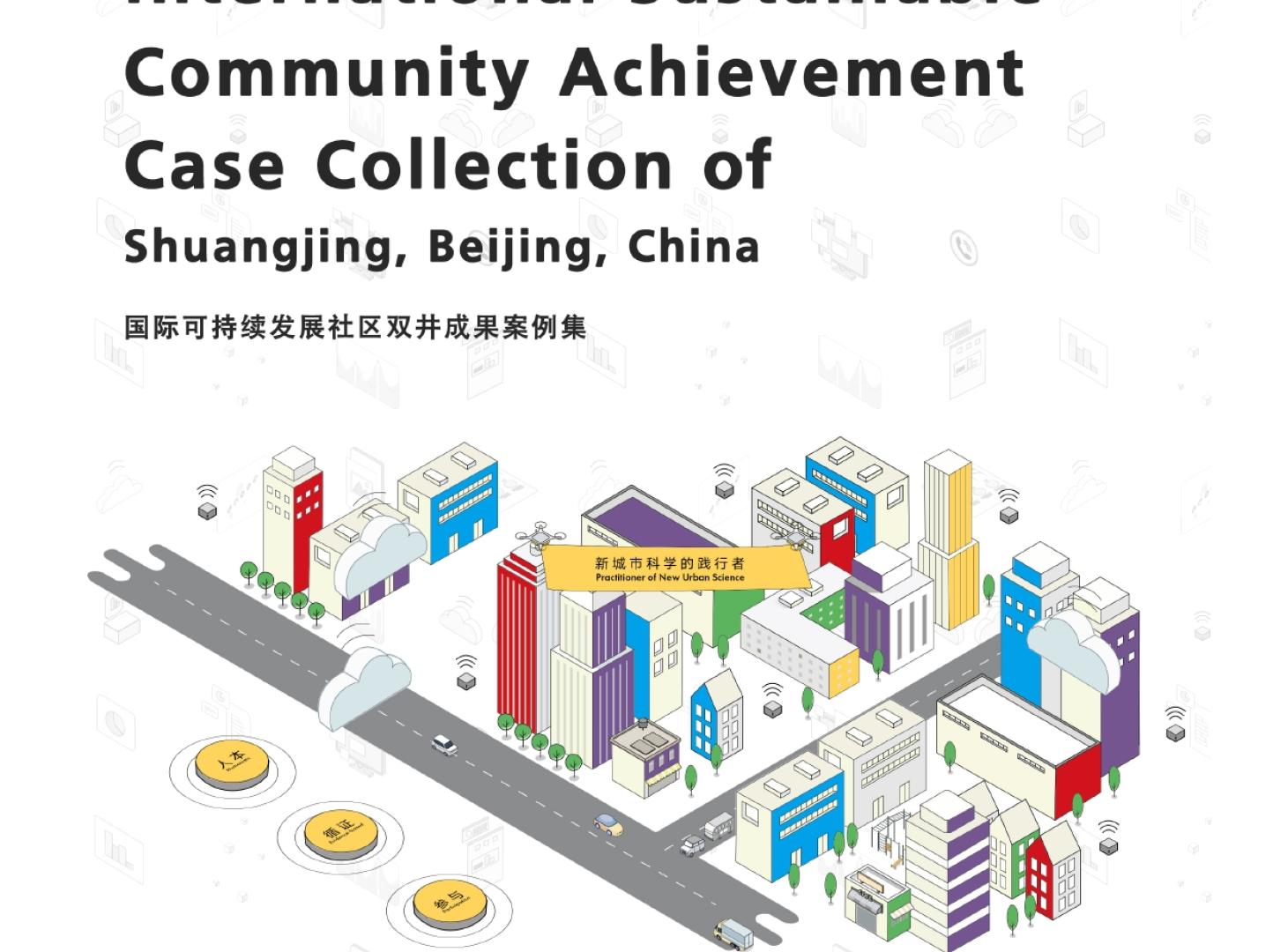
Resources
18 September 2023
1 / 11